Home Blog Page 3

Hetal Vyas: How Technology is Reshaping Careers

0

In the swiftly evolving landscape of modern employment, technology plays a pivotal role, significantly transforming traditional career paths and creating new opportunities that were unimaginable just a decade ago. As students like Hetal Vyas, an undergraduate at Michigan State University, navigate through their academic journeys, understanding the impact of technology on future careers becomes essential.

The Impact of Automation and Emerging Technologies

Automation, powered by artificial intelligence (AI) and robotics advancements, is perhaps the most influential factor in the current job market transformation. It has permeated various sectors, from manufacturing and logistics to retail and healthcare, enhancing efficiency but also displacing routine jobs. For instance, self-checkout kiosks and automated inventory systems have revolutionized the retail industry, reducing the need for human cashiers and stock clerks.

Simultaneously, emerging technologies such as blockchain, the Internet of Things (IoT), and augmented reality (AR) are creating new niches and demands in the workforce. Blockchain, for example, extends beyond its initial financial applications to areas like supply chain management and secure voting systems, demanding a new set of skills from professionals.

New Career Paths in the Tech Sector

The landscape of career opportunities in the tech sector is broadening. Here are a few roles that have emerged:

  1. AI Ethics Officer: As AI becomes central to business operations, organizations need professionals who can ensure that their AI systems operate ethically and do not perpetuate biases or harm society.
  2. Data Detox Specialist: This role focuses on helping organizations declutter redundant data, ensuring compliance with data protection regulations, and making data systems more efficient.
  3. AR Journey Builder: These professionals create augmented reality experiences, transforming sectors like tourism, education, and retail by offering immersive customer experiences.
  4. IoT Solutions Architect: This role involves designing, implementing, and maintaining solutions for the IoT ecosystem, ensuring seamless connectivity and security across devices.

How Students Can Prepare for the Future Workforce

As traditional career paths evolve or get replaced by technology-driven roles, students must adapt to remain relevant in the future job market. Here are some tips for students like Hetal Vyas to prepare for these emerging challenges:

  1. Embrace Lifelong Learning: The tech field evolves rapidly, and continuous learning is crucial. Engage in regular training and certification programs to stay updated with the latest technologies.
  2. Develop Soft Skills: While technical skills are essential, soft skills like problem-solving, critical thinking, creativity, and adaptability are equally vital in navigating the tech-driven world.
  3. Gain Practical Experience: Internships and part-time jobs in tech-related fields provide practical experience, which is invaluable. Participating in tech clubs and competitions can also enhance practical skills.
  4. Focus on Interdisciplinary Knowledge: Understanding the intersection of technology with other fields such as business, healthcare, and environmental science can open up new career opportunities. Courses in ethics and sustainability can also be beneficial, considering the societal impact of technology.
  5. Network Extensively: Building a robust professional network can provide insights into industry trends and job opportunities. Attend tech conferences, seminars, and workshops to connect with industry professionals.

Conclusion

The technological revolution is reshaping the job market, making it imperative for students to adapt to the demands of new career paths that focus on technology and innovation. By embracing a proactive approach to education and skill development, students can anticipate changes and excel in this new era. As they prepare to enter the workforce, students like Hetal Vyas, with their fresh perspectives and tech-savvy skills, are ideally positioned to thrive in these exciting and evolving fields.

Hetal Vyas

Hetal is a computer science student at Michigan State University.

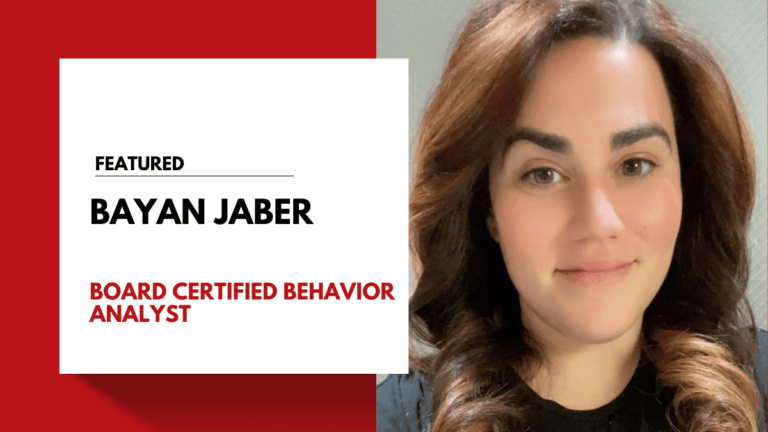
Active Listening: Insights From Bayan Jaber

0

Active listening is a powerful skill that enhances communication and fosters more profound understanding, respect, and empathy between individuals. Mastering active listening can significantly improve client outcomes and team dynamics in professional settings, especially in behavior analysis. 

Bayan Jaber, a Board Certified Behavior Analyst and the Regional Clinical Director at Discovery ABA Therapy in North Carolina’s East Region exemplifies the impact of active listening in clinical supervision and case management.

Who is Bayan Jaber?

Bayan Jaber is a distinguished professional in Applied Behavior Analysis (ABA). With a robust educational background from Wayne State University and Saint Elizabeth University, Bayan is licensed in Michigan and an active Council of Ontario Behavioral Analysts (COBA) member. 

Her expertise includes conducting VB-MAPP, ABLLS-R, and AFLS assessments, which are crucial in developing effective treatment plans for individuals with developmental disorders.

At Discovery ABA Therapy, Bayan leads the Regional Clinical Director team, focusing on clinical supervision and enhancing services through strategic outreach. Her prior roles at Comfort Therapeutic Services and Chitter Chatter P.C. have cemented her reputation as a skilled clinician and leader. 

Beyond her clinical duties, Bayan is passionate about professional development, training, and mentoring new analysts, with a particular focus on diversity and inclusion.

The Essence of Active Listening in Behavior Analysis

Active listening in behavior analysis involves more than just hearing words; it requires a comprehensive engagement with the client and understanding their needs and responses at a deeper level. Bayan Jaber’s approach integrates several vital techniques that anyone in a supervisory or therapeutic role can adopt:

  1. Attentive Body Language: Non-verbal cues are as important as verbal engagement. Maintaining eye contact, nodding appropriately, and leaning forward slightly can convey interest and encourage clients and colleagues to share more openly.
  2. Asking Clarifying Questions: When Bayan conducts assessments or supervises cases, she uses clarifying questions to ensure she fully understands the concerns and circumstances presented. This technique helps in gathering accurate information to tailor intervention plans effectively.
  3. Summarizing and Reflecting: Bayan often paraphrases or summarizes what has been said to confirm her understanding. This practice validates the speaker and corrects any misinterpretations immediately, fostering a more transparent dialogue.
  4. Empathetic Engagement: Understanding the emotional undertone of a conversation is crucial. Bayan shows empathy by acknowledging feelings and allowing individuals to express themselves. This builds trust and facilitates a more open communication channel.
  5. Being Present: In a world full of distractions, being fully present during interactions is a skill Bayan emphasizes. This involves active mental engagement and putting aside all distractions to focus on the conversation.

The Impact of Active Listening

The benefits of active listening are profound, particularly in ABA therapy, where understanding nuanced behaviors and responses is critical. 

Bayan’s listening ability allows her to create more personalized and effective treatment plans. Moreover, her leadership role helps in nurturing a supportive and inclusive team environment, encouraging professional growth and better service delivery.

Training the Next Generation

Bayan’s commitment to mentoring new behavior analysts involves teaching them the nuances of active listening. By incorporating these techniques into training programs, she ensures that the next generation of analysts is well-equipped to handle complex cases with sensitivity and precision.

Key Takeaways

Active listening is a cornerstone of effective communication in any field but is vital in behavior analysis. 

Bayan Jaber’s practice as a behavior analyst and leader in ABA therapy highlights how active listening can enhance service delivery and professional relationships. Professionals across various disciplines can achieve better outcomes and foster more meaningful interactions by adopting these techniques.

Nikhil Mayakuntla: Leveraging the Power of Java Frameworks

0

Java continues to be an essential programming language for creating solid and reliable applications. Nikhil Mayakuntla is an experienced Java Developer based in Atlanta, GA, leading the way in using Java frameworks to develop new and innovative solutions. With a Master’s degree in Computer Software Engineering from the University of Houston Clear Lake and a strong tech background that began in West Des Moines, IA, Nikhil profoundly understands how to use these tools effectively.

Why Use Java Frameworks?

Java frameworks offer a pre-written code base that helps developers to manage the software development process efficiently. They provide a structure for building applications and automate the implementation of standard solutions, thus reducing technical burden and speeding up the development cycle. Nikhil points out, “Using frameworks like Spring, Spring Boot, and Hibernate not only accelerates development but also ensures consistency and reliability in application performance.”

Choosing the Right Framework

Selecting the proper framework depends mainly on the project requirements. Spring, for instance, is incredibly versatile for building various applications, from small-scale apps to large enterprise systems. Spring Boot simplifies the development process further by providing a platform to deploy Spring applications quickly. Hibernate, on the other hand, is perfect for projects that require robust data-handling capabilities.

“Each framework has its unique strengths,” says Nikhil. “For beginners, I often recommend starting with Spring Boot due to its ease of use and comprehensive ecosystem.”

Benefits of Java Frameworks

  1. Efficiency: Frameworks reduce the amount of manual coding required, automating processes like database integration and session management.
  2. Security: With built-in security features, frameworks help to protect applications from threats.
  3. Scalability: Java frameworks are designed to handle increasing loads, making it easier to scale applications as user demand grows.
  4. Community Support: A strong community and wealth of documentation ensure developers can quickly resolve issues and update their skills.

Getting Started with Java Frameworks

For those new to Java or its frameworks, Nikhil recommends starting with a simple project, such as a basic Spring Boot web application. “Spring Boot comes with embedded servers like Tomcat, which means you can run your application right out of the box without complex server configurations,” he explains.

Here’s a simple roadmap to get started:

  • Learn the Basics: Understand Java fundamentals before diving into frameworks.
  • Choose a Framework: Based on your project needs, select a framework. Spring Boot is ideal for general purposes.
  • Follow a Tutorial: Use online resources or books to build a small project. Websites like Baeldung, Spring’s website, and YouTube provide excellent tutorials.
  • Join Communities: Engage with other developers through forums, social media groups, and tech meetups.

Continued Learning and Innovation

Nikhil believes in continuous learning and participates in local coding boot camps and developer conferences. “The tech field is always changing, and staying updated is key to being effective,” he notes.

Future Trends in Java Development

Nikhil is excited about integrating AI and machine learning within Java frameworks. “Frameworks are becoming smarter, incorporating more features that allow for predictive analysis and intelligent decision-making within applications,” he states.

Conclusion

Java frameworks are essential for developing efficient, secure, and scalable applications. As technology advances, the role of these frameworks only grows more significant. Developers like Nikhil Mayakuntla play a crucial role in pushing the boundaries of what these frameworks can do, ensuring that the tech industry keeps up with current demands and anticipates future needs. Whether you are a novice looking to get started or an experienced developer aiming to refine your skills, the journey into Java frameworks is rewarding and full of growth opportunities.

A Beginner’s Guide to Your Home’s Electrical Breaker Box

0

Understanding the electrical breaker box in your home is a fundamental step toward ensuring safety, efficiency, and the smooth operation of your household appliances and electronics. This beginner’s guide aims to demystify the breaker box, offering homeowners the essential knowledge to navigate this critical component of their home’s electrical system. 

From identifying a breaker box to guiding you through its essential maintenance, this article will cover everything you need to know to manage your home’s electrical power like a pro. To bring expert insight into our discussion, we’ve consulted with Damon Bernath, a master electrician based in Cincinnati, who offers professional advice on approaching your home’s electrical breaker box.

What is an Electrical Breaker Box?

At its core, the electrical breaker box is the nerve center of your home’s electrical system. It’s where the electrical power from the utility company enters your home and is distributed to the various circuits that power everything from light fixtures to outlets. The breaker box houses a series of switches, known as breakers, which control the flow of electricity to these circuits. 

Each breaker is designed to “trip” or shut off automatically during an electrical overload or short circuit, preventing potential damage to your appliances or, more critically, averting fire hazards.

The Importance of Understanding Your Breaker Box

Knowledge of your breaker box can help in several situations, such as resetting the power after a trip, adding new electrical fixtures, or safely shutting off power to a circuit when making repairs or updates. 

According to Damon Bernath, understanding your breaker box is about handling issues when they arise and preventative maintenance. “Regular checks can help identify potential problems before they escalate, ensuring the safety and efficiency of your home’s electrical system,” Bernath advises.

Identifying Your Breaker Box

Most homes have breaker boxes in the basement, garage, or outside walls. They’re typically metal boxes with a door that opens to reveal a row (or multiple rows) of switches. Each switch corresponds to a specific circuit in your home. You might also find a main breaker that controls the power supply to the entire house.

Navigating Your Breaker Box

Understanding how to navigate your breaker box involves knowing what each breaker controls. Labeling each breaker with the area of the home or specific appliances it powers can save time and confusion, especially in emergencies. 

“Take the time to label each circuit in your breaker box accurately. It’s a simple step that can significantly enhance your safety and efficiency in managing electrical issues,” suggests Bernath.

Resetting a Tripped Breaker

One of the most common interactions with the breaker box is resetting a tripped breaker. A breaker trips as a safety measure to prevent overloading a circuit. 

To reset, first, identify the tripped breaker, usually indicated by a switch in the “off” position or a middle position between “on” and “off.” Before resetting, unplug any appliances that might have caused the overload. Then, firmly push the breaker to the “off” position before flipping it back to the “on” position. This should restore power to the circuit.

When to Call a Professional

While having a basic understanding of your breaker box is essential, some situations require professional intervention. If you’re experiencing frequent trips, noticing a burning smell from the breaker box, or planning major electrical upgrades, it’s time to call a professional. 

Damon Bernath emphasizes, “Working with electricity carries inherent risks. If you’re ever in doubt, it’s best to consult with a licensed electrician who can ensure the safety and compliance of your home’s electrical system.”

Regular Maintenance

Routine maintenance of your breaker box can prevent many common electrical problems. This includes ensuring the area around the breaker box is clear of obstructions, checking for signs of wear or damage, and periodically testing the functionality of each breaker. 

Consulting with an electrician for a professional inspection every few years is also a prudent measure to ensure the longevity and safety of your home’s electrical system.

Final Thoughts

The electrical breaker box is a critical component of your home’s infrastructure. You can confidently manage your home’s electrical system with a basic understanding of its function, maintenance, and safety protocols. Remember, electricity is powerful and can be dangerous. While this guide offers a starting point, the wisdom of professionals like Damon Bernath is invaluable. When in doubt, always seek the expertise of a licensed electrician to handle complex issues or upgrades to your home’s electrical system.

This beginner’s guide is an empowering tool for homeowners, ensuring you’re equipped with the knowledge to manage your electrical breaker box safely and effectively. Whether resetting a tripped breaker, labeling circuits, or performing routine checks, a fundamental understanding of this system enhances your home’s safety and peace of mind.

Is a Timeshare Right for You? A No-Nonsense Breakdown of Pros and Cons

0

Timeshares have emerged as a topic of interest for many in vacation planning and property ownership.

The concept is straightforward: you purchase the right to use a property for a specific period each year. It’s an appealing proposition for those who dream of a getaway spot but need more time to be ready to commit to full ownership responsibilities or costs. However, as with any significant investment, it’s crucial to weigh the benefits against the potential drawbacks. 

Brandon Ubiera, CEO of Alpha Timeshare Consultants, offers insights into the timeshare industry, helping to demystify this complex decision. Let’s dive into a balanced analysis of the pros and cons of timeshare ownership to determine if it’s the right choice for your vacation needs and budget.

Pros of Timeshare Ownership

  1. Predictable Vacation Spot: One of the most significant advantages of owning a timeshare is the guarantee of having a vacation spot during your designated time slot each year. This can be a considerable benefit for families who have a favorite destination they love returning to.
  2. Amenities and Comfort: Timeshares often come with access to amenities that would be costly in a hotel or resort, such as kitchens, living rooms, multiple bedrooms, and laundry facilities. This setup is particularly advantageous for extended stays and those traveling with family or friends.
  3. Cost Predictability: With a timeshare, many of your vacation housing costs are predictable, especially if you’ve paid off the purchase price. This can make budgeting for vacations easier, as you won’t be subject to hotel price fluctuations.
  4. Flexibility through Exchanges: Many timeshare owners can trade their slots with others in different locations, allowing travel to new destinations without the hassle of searching for accommodation. Companies like Alpha Timeshare Consultants facilitate these exchanges, making it easier for owners to explore new places.

Cons of Timeshare Ownership

  1. Maintenance Fees: A significant downside to timeshare ownership is the annual maintenance fees, which can increase over time. Regardless of whether you use your timeshare in a given year, these fees are obligatory, which can be a financial strain.
  2. Inflexibility: Returning to the same spot yearly appeals to some, but others may find it limiting. The travel dates can also be inflexible, especially if you own a fixed-week timeshare, potentially clashing with personal or work commitments.
  3. Resale Challenges: The timeshare resale market is relatively easy to navigate. Owners looking to sell their timeshares often need help to recoup their initial investment, and the resale process can be lengthy and complicated.
  4. Potential for Scams: Unfortunately, the timeshare industry has its share of scams, particularly concerning resale and exit companies. Brandon Ubiera of Alpha Timeshare Consultants warns owners to be vigilant and to conduct thorough research before engaging with any service claiming to help sell or exit timeshares.

Making the Decision

Deciding whether a timeshare is right depends on your vacation preferences, financial situation, and long-term plans. If you enjoy returning to the same destination annually and value the consistency and comfort of a second home, a timeshare could be a worthwhile investment. On the other hand, if you prefer flexibility and spontaneity in your travels or are wary of ongoing financial commitments, there might be better fits.

Before making a decision, consider consulting with a timeshare expert. Organizations like Alpha Timeshare Consultants offer valuable advice and can help you navigate the complexities of timeshare ownership. They can provide insights into the market, help evaluate if a timeshare suits your vacation style, and offer strategies for managing or exiting a timeshare should your needs change.

Conclusion

Timeshares offer a unique approach to vacationing, blending the comforts of home with the excitement of travel. However, they’re not a one-size-fits-all solution. By carefully considering the pros and cons and seeking guidance from industry professionals like Brandon Ubiera, potential buyers can make informed decisions that align with their vacation desires and financial goals. 

Whether a timeshare is right depends on your preferences, travel habits, and how you view the commitment and responsibilities that come with timeshare ownership. A timeshare can be a joyous investment with the right approach, providing years of memorable vacations. However, it requires a thorough understanding and careful consideration to ensure it fits your lifestyle and budget.

The Intellectual Challenge and Problem-Solving Aspects of Nursing

0

Often perceived through a narrow lens of routine tasks and bedside care, nursing extends far beyond these traditional views. This intricate and multifaceted profession requires a blend of critical thinking, decision-making prowess, and a robust foundation in scientific knowledge. 

Nurses, at the heart of healthcare, navigate a landscape where every decision can significantly impact a patient’s health trajectory. This article challenges the stereotype of nursing as merely a collection of routine tasks, shedding light on the intellectual challenge and problem-solving aspects that define the essence of nursing.

At the core of nursing is a demand for critical thinking. Nurses must assess patients comprehensively, considering the physical symptoms and the psychological, social, and environmental factors that could influence their health. This holistic approach necessitates a deep understanding of human physiology, pathology, and the social determinants of health. 

Nurses analyze complex information to identify the root causes of health issues, which demands sharp analytical skills and the ability to think on one’s feet.

The decision-making component of nursing is equally crucial. Nurses often find themselves in high-pressure situations where they must make quick and accurate decisions. Whether responding to a sudden deterioration in a patient’s condition or prioritizing care in a busy ward, nurses’ decisions can have immediate consequences. This responsibility requires a thorough knowledge of medical protocols and procedures and the confidence to take decisive action based on this knowledge.

The scientific knowledge that forms the foundation of nursing practice is vast and constantly evolving. Nurses must be well-versed in various disciplines, from microbiology and pharmacology to psychology and ethics. This extensive knowledge base equips them to assess, diagnose, and treat patients effectively. Moreover, the nature of healthcare means that nurses must be lifelong learners, staying up-to-date with the latest research, treatments, and technologies to provide the best possible care. This dynamic and ever-evolving nature of nursing offers a constant source of excitement and curiosity, making it a profession always on the cutting edge of healthcare.

Hallie Schauer, an RN with over 30 years of experience from Sheridan, Wyoming, emphasizes the profound satisfaction of being a nurse. “The most rewarding aspect of nursing is the tangible difference you make in the lives of others. It could be your patients, their families, or even your colleagues. The rewards of your efforts are not just for them but also for you as a professional. The continuous learning and growth I’ve experienced in my career have kept me deeply engaged and passionate about my work,” Schauer shares. Her experience underscores nurses’ dynamic and intellectually stimulating environment, where no two days are the same and the learning never stops.

The problem-solving aspect of nursing is evident in the way nurses manage patient care. Nurses apply their knowledge and critical thinking skills to solve problems daily, from developing care plans to managing complex medication regimens. They must be adaptable and capable of adjusting their approach based on the patient’s response to treatment and any new information. This adaptability is a testament to the problem-solving nature of nursing, which requires creative thinking and the ability to envision multiple solutions to a given challenge. This aspect of nursing presents a challenge and offers a sense of achievement and fulfillment when solutions are found, and patients’ health improves.

Moreover, nursing involves educating patients and their families, empowering them to participate actively in their health. This educational aspect demands a deep understanding of health concepts and the ability to communicate complex information in a way that is accessible and meaningful to non-specialists. It’s a nuanced form of problem-solving combining scientific knowledge, empathy, and communication skills.

The stereotype of nursing as merely a collection of routine tasks fails to capture the essence of the profession. Nursing is a dynamic field that demands high intellectual engagement, critical thinking, and problem-solving ability. Nurses are not just caregivers but skilled professionals who play a crucial role in diagnosing, treating, and managing health conditions. They are educators, advocates, and leaders in pursuing health and well-being.

The intellectual challenge and problem-solving aspects of nursing make it a uniquely rewarding profession. It offers an opportunity to make a profound difference in the lives of others, to engage in continuous learning, and to navigate the complexities of human health. 

Nurses like Hallie Schauer find deep fulfillment in the challenges and opportunities that nursing presents, in the knowledge that their work has a meaningful impact on the lives of their patients and their families. In challenging the stereotype of nursing, it becomes clear that this profession is not just about performing tasks; it’s about applying a deep well of knowledge and skills to improve health outcomes, making it a profoundly intellectual and rewarding field.

Maternity Leave: Expanding Parental Rights and Family Leave Policies

0

The concept of maternity leave is changing today, where modern workforces and diverse family structures are becoming more common. Expanding parental leave policies to be more inclusive and equitable is essential. This is not just a matter of fairness, but it is necessary to promote gender equality, nurture healthy families, and foster productive and happy workplaces. This article delves into the need for such reforms, considering the experiences of same-sex couples, adoptive parents, and non-traditional families. It also explores the economic and social benefits of expanded family leave. Philadelphia employment attorney Adebola Aderinto provides insights into the legal frameworks and the push for progressive legislation in the United States.

The Case for Inclusive Leave Policies

Traditional maternity leave policies have predominantly focused on biological mothers, often overlooking the equally important roles of other parents in the early stages of a child’s life. However, as family structures diversify, it’s imperative that leave policies evolve to support all parents, including same-sex couples, adoptive parents, and those in non-traditional family setups. Adebola Aderinto, a seasoned employment attorney, emphasizes that “inclusive leave policies are not just about fairness; they’re about recognizing the diverse ways families are formed and ensuring every child has the opportunity for a strong start in life.”

Inclusive policies acknowledge the significance of bonding time for all parents, regardless of gender or biological connection to the child. By doing so, they also contribute to dismantling gender stereotypes and promote a more equitable distribution of caregiving responsibilities. This shift supports the well-being of families and advances gender equality in both domestic and professional spheres.

Economic and Social Benefits

Expanded family leave policies offer substantial benefits for families and employers alike. For families, the availability of paid leave can alleviate the financial pressures of welcoming a new family member, allowing parents to focus on bonding and caregiving without the stress of losing income. This is particularly crucial for adoptive parents and same-sex couples, who may also face additional legal and bureaucratic hurdles.

From an employer’s perspective, comprehensive leave policies can enhance employee retention, reduce turnover costs, and improve overall job satisfaction and productivity. “Employers who adopt flexible and supportive family leave policies often see a positive impact on their bottom line, as well as an improvement in workplace morale,” notes Aderinto. Moreover, companies offering inclusive leave benefits are more attractive to top talent, fostering a diverse and innovative workforce.

Legislative Landscape and Proposals

Despite the clear benefits, the United States must catch up to many other developed nations regarding national paid family leave policies. Currently, the Family and Medical Leave Act (FMLA) provides up to 12 weeks of unpaid leave for certain workers, a policy that remains inaccessible to many and financially impractical for most. However, there is growing momentum for change, with several proposals for national paid family leave being discussed at both state and federal levels.

Aderinto points out, “While some states have taken the lead by enacting their own paid leave policies, a national framework is essential to ensure all American families have access to this critical support.” Such legislation would not only mark a significant step forward in family and labor rights but also reflect a broader recognition of the diverse nature of modern families.

Toward a More Equitable Future

As society continues to recognize and embrace the variety of family structures, the push for more inclusive and equitable parental leave policies becomes increasingly essential. The benefits of such policies extend far beyond the immediate well-being of families, contributing to economic stability, workplace productivity, and the broader fight for gender equality.

With insights from experts like Adebola Aderinto and a growing public consensus, the path toward expanded family leave in the U.S. looks promising. As we move forward, legislation must keep pace with the changing dynamics of family life, ensuring that all parents, regardless of their circumstances, have the support they need to nurture the next generation.

Conclusion

It is imperative to implement comprehensive and fair parental leave policies, not just to recognize diverse family structures but also to acknowledge the importance of caregiving and advocate for the welfare of all families. As we move forward, policymakers, employers, and society must adopt and promote policies that reflect the realities of modern family life. Doing so can establish a more comprehensive, just, and resilient society. In pursuing a more thorough, just, and prosperous society, expanding parental rights and family leave policies is not just advantageous—it’s essential.

Adebola Aderinto

Debbie Aderinto is a lawyer who specializes in Labor & Employment. She received her J.D. from Suffolk University Law School in 2016 and her B.B.A. from Temple University’s Fox School of Business and Management in 2011.

Navigating Success: Interview with Shernetrice Bryant

0

In the bustling city of Atlanta, we had the privilege to sit down with Shernetrice Bryant, a dynamic professional who has carved her path from Fort Pierce, Florida, to the thriving world of e-commerce and, currently, as part of Prime Therapeutics. A proud Fort Pierce West Wood High School graduate, Shernetrice also pursued her education at Indian River State College, laying the foundation for resilience and continuous growth.

Defining Success and the Journey to Find It

Shernetrice began our conversation by reflecting on her definition of success. For her, success is an ongoing process rather than a destination. “It’s about constant learning and improvement, both personally and professionally,” she explained. The journey to find success took time and effort. Shernetrice emphasized the importance of perseverance and adapting to change. “Success doesn’t have a specific timeline; it’s about staying true to your goals despite the challenges,” she noted.

Qualities of a Good Entrepreneur

Having worked in the e-commerce sector at Amazon Seller Support, Shernetrice highlighted essential qualities she believes are integral for entrepreneurs. “Adaptability is crucial in the fast-paced business world,” she said. “Being open to change, learning from failures, and having a relentless work ethic are the qualities that set successful entrepreneurs apart.”

Overcoming Challenges at the Beginning of the Journey

Recalling the early days of her career, Shernetrice acknowledged the challenges she faced. “Transitioning from a local environment to a global giant like Amazon was overwhelming. The learning curve was steep, but I embraced it as an opportunity for growth. Overcoming self-doubt and building confidence were essential in those initial stages.”

Exciting Trends and Future Outlook

Discussing current trends, Shernetrice expressed excitement about the intersection of technology and healthcare. “The advancements in health tech are promising. Working at Prime Therapeutics allows me to be part of an evolving industry to meet the needs of a rapidly changing world.”

Advice to Younger Self

When asked about advice for her younger self, Shernetrice emphasized the importance of patience and self-belief. “Trust the process, believe in your capabilities, and understand that setbacks are part of the journey. Each experience contributes to your growth.”

Productivity Habits

Shernetrice revealed that maintaining a structured routine is her go-to productivity habit. “Setting clear goals and prioritizing tasks helps me stay focused. It’s about balancing work and personal life to ensure sustainable productivity.”

Coping with Overwhelm or Lack of Focus

In moments of being overwhelmed or distracted, Shernetrice turns to mindfulness. “Taking short breaks, practicing deep breathing, or walking helps me reset. It’s essential to step back, gain perspective, and return with a refreshed mindset.”

As we wrapped up our conversation, it was evident that Shernetrice Bryant’s journey is a testament to the power of resilience, adaptability, and a continuous pursuit of excellence. From the halls of Fort Pierce West Wood High School to the bustling corporate landscape, her story inspires aspiring professionals to navigate their own paths to success.

Melanie Boyack Presents Storytelling 2.0

0

Storytelling has long been hailed as a powerful tool for conveying messages and connecting with audiences. As we navigate the digital age, the evolution of storytelling has taken on new dimensions. In this article, we delve into the concept of Storytelling 2.0, exploring innovative techniques beyond personal anecdotes. We’ll examine the work of Melanie Boyack, a Keynote and Corporate Trainer in Utah, to uncover how she incorporates historical parallels, data-driven narratives, and interactive storytelling to captivate and engage her audiences.

The Evolution of Storytelling

Traditionally, storytelling often revolved around personal experiences, creating a sense of relatability. While personal anecdotes remain valuable, Storytelling 2.0 broadens the scope by integrating various elements that appeal to diverse audiences. Melanie Boyack, with her extensive experience as a Keynote and Corporate Trainer, exemplifies this evolution by seamlessly blending traditional storytelling with innovative techniques.

Historical Parallels: A Window to the Past

One compelling aspect of Storytelling 2.0 is the incorporation of historical parallels. Storytellers like Melanie Boyack infuse narratives with a deeper context by drawing connections between past events and present challenges. This technique enriches the storytelling experience and provides audiences with valuable insights and perspectives.

Boyack skillfully weaves historical parallels into her presentations, creating a tapestry that links the past, present, and future. For instance, she might draw parallels between historical figures facing adversity and individuals’ challenges in the contemporary corporate landscape. This approach adds depth to the narrative and allows audiences to glean lessons from history, making the storytelling experience more enriching.

Data-Driven Narratives: The Power of Numbers

In the age of information, data has become a formidable storytelling tool. Melanie Boyack leverages the power of data-driven narratives to convey complex ideas and make compelling arguments. Integrating statistics, charts, and graphs into her presentations, Boyack transforms abstract concepts into tangible, relatable stories.

Data-driven narratives are particularly compelling in corporate settings, where decision-making relies on concrete evidence. Boyack’s approach seamlessly integrates data into her stories, using it not as a standalone entity but as a supporting element that enhances the narrative. This method engages analytical minds and bridges the gap between facts and emotions, creating a more holistic storytelling experience.

Interactive Storytelling: Engaging the Audience

One of the hallmarks of Storytelling 2.0 is the emphasis on audience engagement. Melanie Boyack takes storytelling to new heights by incorporating interactive elements into her presentations. Whether through live polls, Q&A sessions, or multimedia interactions, Boyack ensures that her audience actively participates in storytelling.

Interactive storytelling captures attention and fosters a sense of collaboration between the storyteller and the audience. Boyack’s approach involves creating moments where listeners can contribute to the narrative, share their perspectives, and actively participate in the story. This dynamic interaction keeps audiences hooked and transforms storytelling into a shared experience, fostering a deeper connection between the speaker and the listeners.

The Impact of Storytelling 2.0

As we witness the evolution of storytelling, it becomes evident that Storytelling 2.0 is not a departure from tradition but a natural progression. Melanie Boyack’s work exemplifies how storytellers can elevate their craft by embracing historical parallels, integrating data-driven narratives, and fostering audience interaction. The impact of Storytelling 2.0 extends beyond captivating narratives; it has the potential to inspire change, drive innovation, and create lasting connections between speakers and their audiences.

Storytelling 2.0 marks a new era in communication, where storytelling evolves to meet the demands of a dynamic and digitally driven world. Melanie Boyack’s contributions as a Keynote and Corporate Trainer underscore the power of incorporating historical parallels, data-driven narratives, and interactive elements into storytelling. As we continue exploring the possibilities of Storytelling 2.0, we embark on a journey where narratives not only entertain but also educate, inspire, and shape how we perceive the world around us.

Anyehara De Los Santos

0

Medicare Sales Rep in Bronx, NY

Meet Anyehara De Los Santos, a skilled Medicare Sales Representative and Benefits Consultant based in the vibrant Bronx, New York. With a remarkable 12-year journey at WellCare Health Plans, Anyehara has honed her expertise in helping people with their healthcare needs. She graduated in 2003 from Liceo Manuel De Jesus Ciprian Valdez, and her story is one of inspiration and success in healthcare. Join us as we delve into her experiences and gain valuable insights that can inspire your path to career success.

Anyehara De Los Santos Interview:

1. How did you initially get involved in the Medicare sales industry, and what inspired you to pursue this career path?

I entered the Medicare sales industry driven by a passion for helping individuals navigate the complexities of healthcare. Witnessing the impact that accessible healthcare coverage had on people’s lives inspired me to contribute meaningfully.

2. What specific skills or qualities are crucial for success in Medicare sales, especially for someone just starting?

Effective communication, empathy, and a deep understanding of healthcare policies are paramount. Additionally, resilience and adaptability are crucial, as the industry is ever-evolving.

3. Can you share some insights into the challenges you faced when starting your career as a Medicare sales representative and how you overcame them?

Initially, building a client base was challenging. I overcame this by focusing on creating genuine 

connections, understanding their unique needs, and tailoring my approach accordingly. Consistency and perseverance were vital.

4. Given the evolving healthcare landscape, what advice would you offer a young entrepreneur looking to enter the Medicare sales sector today?

Stay informed about policy changes, embrace technology, and cultivate a genuine interest in the well-being of your clients. Building trust is foundational to success.

5. How do you stay updated on the latest changes and trends in Medicare policies, and how vital is this continuous learning process in your role?

Continuous learning is non-negotiable. I attend workshops, engage in online courses, and stay connected with industry publications. Staying informed allows me to provide the best service to my clients.

6. Building trust is essential in sales. What strategies or approaches have you found most effective in establishing and maintaining client trust?

Transparency and honesty are my cornerstones. I take the time to understand my client’s needs, provide clear information, and follow through on commitments. Consistent communication fosters trust.

7. Can you share a memorable success story or a challenging situation you encountered as a Medicare sales rep, and what lessons did you take away from it?

One memorable success was helping a family secure comprehensive coverage addressing their health needs. The lesson was that personalized care and attention to detail can significantly impact people’s lives.

8. In a field that involves interacting with diverse clients, how do you tailor your approach to meet the unique needs of each individual or community?

Understanding cultural nuances is crucial. I adapt my communication style, ensuring that information is accessible and relatable. This fosters a sense of trust and understanding.

9. With the increasing use of technology in healthcare, how has it impacted your role as a Medicare sales rep, and what advice would you give someone navigating this digital transformation?

Technology has streamlined processes, making information more accessible. Embrace digital tools but keep the human touch. Face-to-face interactions remain invaluable in this industry.

10. What networking or professional development opportunities do you recommend for young entrepreneurs entering the Medicare sales industry, and how have such connections benefited your career?

Attend industry conferences, join relevant online forums, and build connections with professionals in the field. Networking opens doors to valuable insights, collaborative opportunities, and personal growth.

As we conclude our interview, Anyehara De Los Santos leaves us with a wealth of knowledge and a testament to the importance of passion, adaptability, and genuine care in the dynamic world of Medicare sales. Her journey serves as an inspiration to aspiring entrepreneurs seeking success in this ever-evolving sector.